
Anterior Cranial Base Tumors
Anterior Cranial Base Tumor Services
At Spokane ENT, we provide comprehensive care for anterior cranial base tumors, including pituitary adenomas, juvenile nasopharyngeal angiofibromas (JNA), and other skull base neoplasms. These tumors require a multidisciplinary approach, and our rhinologists work closely with neurosurgeons, radiation oncologists, and neuro-interventional specialists to develop individualized treatment plans. Pituitary tumors can cause hormone imbalances, vision changes, and headaches. JNA is a benign but vascular tumor that typically affects adolescent males and can cause nasal obstruction and nosebleeds.
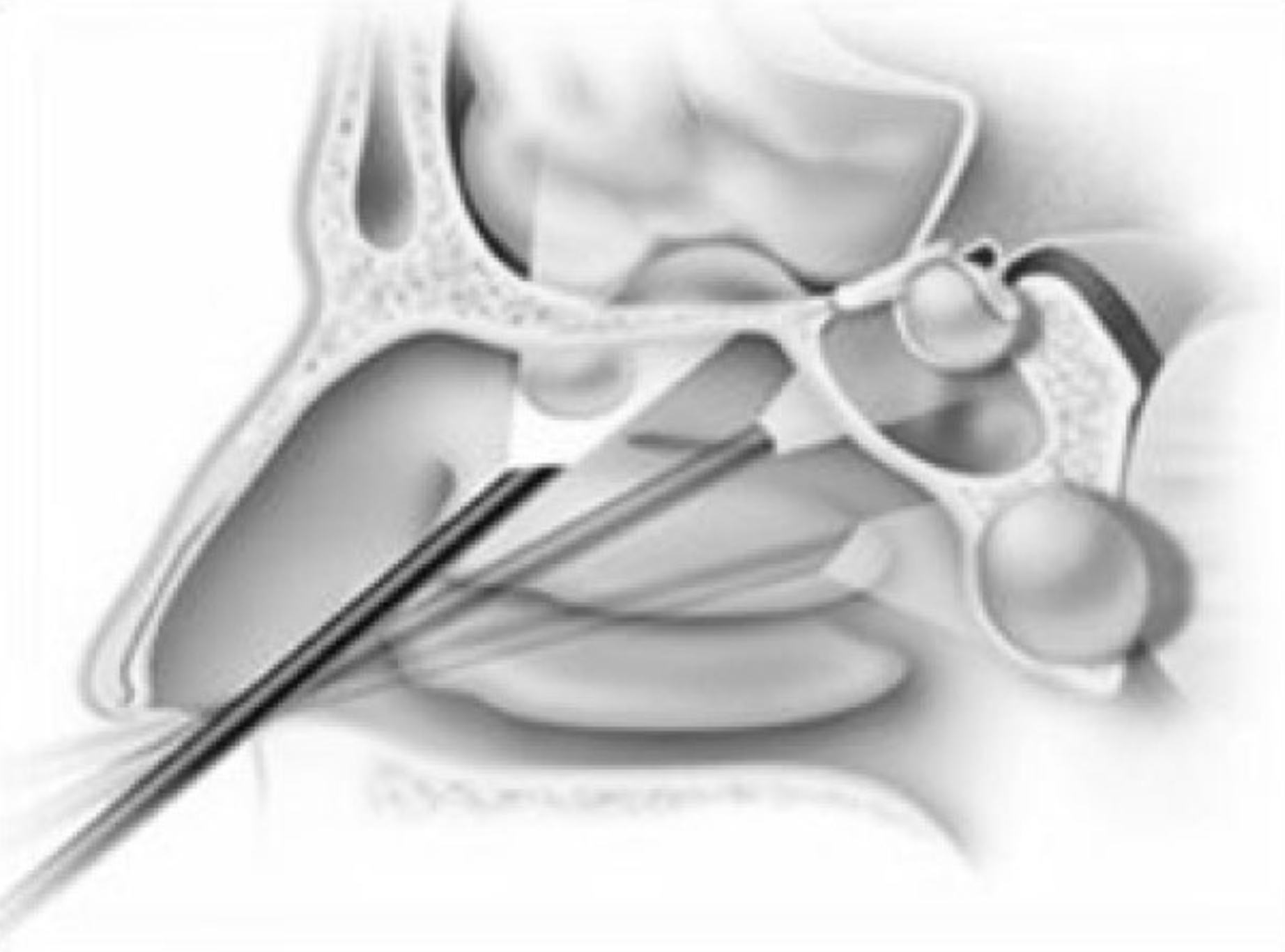
Our evaluation includes detailed imaging (MRI, CT), and for pituitary lesions, endocrine assessment. For vascular tumors such as JNA, neuro-interventional specialists may perform preoperative embolization to reduce bleeding during surgery. We utilize endoscopic endonasal approaches to access the skull base through the nose, avoiding external incisions. In appropriate cases, stereotactic radiosurgery or fractionated radiation may be recommended, either as primary treatment or as adjuvant therapy.
We collaborate with Inland Neurosurgery and Spine for combined ENT–neurosurgery procedures and with Gamma Knife Spokane for stereotactic radiosurgery when indicated. Our goal is to achieve optimal tumor control while preserving function and quality of life. Long-term surveillance and multidisciplinary follow-up ensure that any recurrence or new issues are addressed promptly.
Anterior Cranial Base Tumor Partners


Frequently Asked Questions
A pituitary tumor is a growth in the pituitary gland at the base of the brain. Most are benign. They can cause hormone imbalances, vision changes, or headaches. Many are treated with endoscopic endonasal surgery.
JNA is a benign but locally aggressive vascular tumor that occurs mainly in adolescent males. It arises in the nasal cavity and can extend into the skull base. Treatment often involves preoperative embolization and surgical resection.
Treatment depends on tumor type, size, and location. Options include endoscopic endonasal surgery, stereotactic radiosurgery, and fractionated radiation. Many cases require a multidisciplinary team including ENT, neurosurgery, radiation oncology, and neuro-interventional specialists.
Skull base tumors often require input from ENT (surgical access), neurosurgery (brain/tumor resection), radiation oncology (radiosurgery or fractionated radiation), and neuro-interventional specialists (embolization for vascular tumors like JNA).
See an ENT if you have nasal obstruction, recurrent nosebleeds, vision changes, or hormonal symptoms and imaging suggests a skull base tumor. Early evaluation allows for optimal multidisciplinary planning.