
Surgical Nasal Airway Procedures
Surgical Nasal Airway Procedures Services
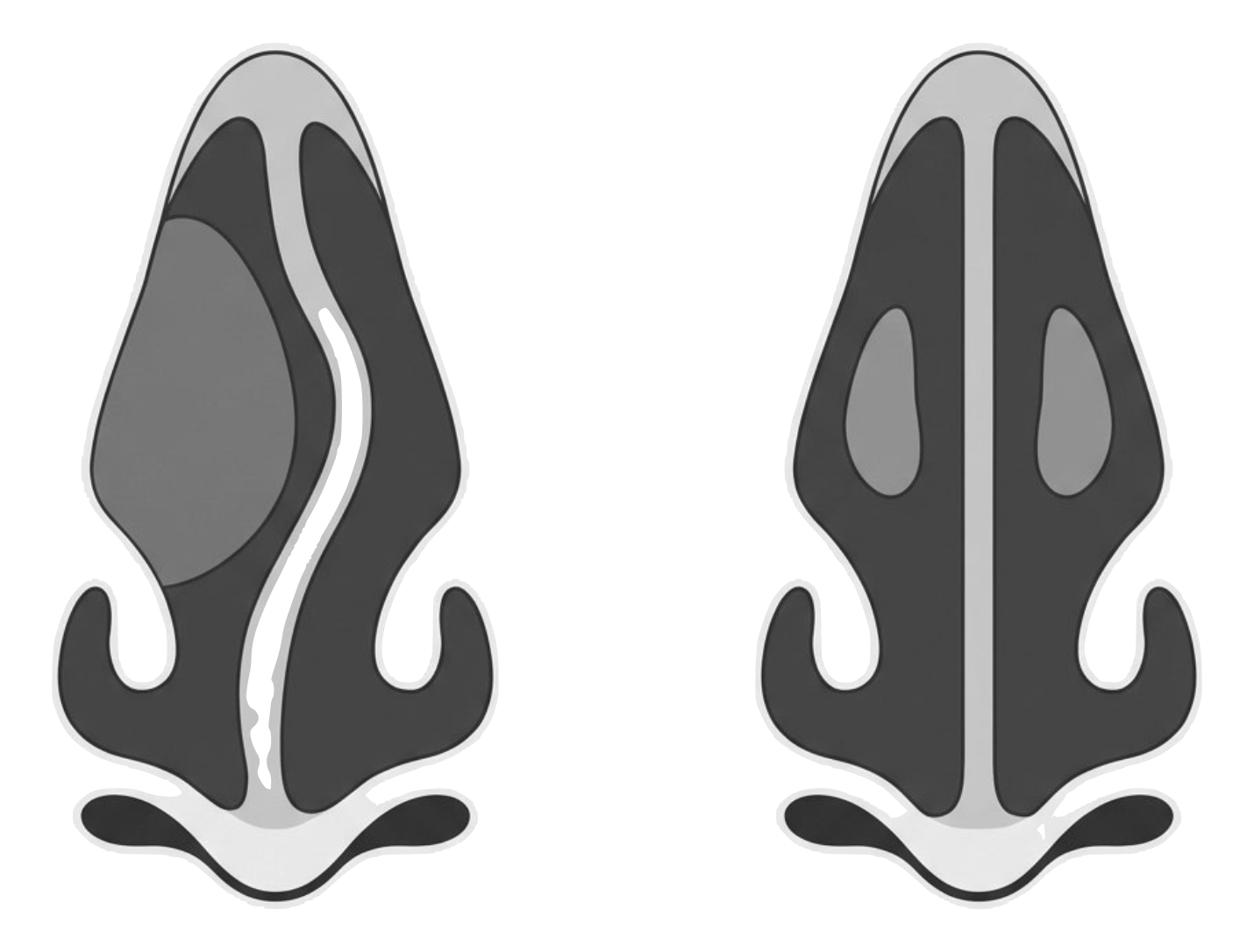
At Spokane ENT, we provide surgical correction of nasal obstruction to improve breathing, sleep, and quality of life. The two most common procedures are septoplasty—surgery to straighten a deviated nasal septum—and turbinate reduction—surgery to reduce the size of enlarged inferior turbinates. A deviated septum is the wall of cartilage and bone that divides the nose; when it is crooked, it can block airflow. Enlarged turbinates are structures that warm and humidify air but can swell and obstruct breathing when chronically inflamed or hypertrophied.
Our evaluation includes a detailed history of your breathing difficulties, nasal endoscopy to examine the septum and turbinates, and when appropriate, allergy testing or imaging. We determine whether septoplasty, turbinate reduction, or both are needed. Septoplasty straightens the septum by removing or reshaping deviated cartilage and bone. Turbinate reduction can be performed using submucosal resection, radiofrequency ablation, or microdebrider techniques, depending on the degree of enlargement and your anatomy.
These procedures are often performed together when both a deviated septum and enlarged turbinates contribute to nasal obstruction. They may also be combined with sinus surgery (FESS) when chronic sinusitis is present. Recovery typically involves 1–2 weeks of nasal care, with gradual improvement in breathing over several weeks. Our goal is to restore comfortable nasal breathing and improve your quality of life.
Frequently Asked Questions
Septoplasty is surgery to straighten a deviated nasal septum—the wall of cartilage and bone that divides the nasal passages. It improves airflow and breathing when the septum blocks one or both sides of the nose.
Turbinate reduction reduces the size of the inferior turbinates (structures that warm and humidify air). When turbinates are enlarged, they can block airflow. Reduction improves nasal breathing.
Septoplasty is recommended when a deviated septum causes significant nasal obstruction, chronic congestion, difficulty breathing, or contributes to sleep problems, despite medical treatment.
Turbinate reduction is considered when enlarged turbinates cause chronic nasal obstruction that does not improve with medications. It is often performed with septoplasty when both contribute to breathing difficulty.
Most patients recover within 1–2 weeks. You may have nasal packing or splints briefly, followed by nasal rinses. Full healing and optimal breathing may take several weeks.
Yes. Septoplasty and turbinate reduction are commonly performed together when both a deviated septum and enlarged turbinates contribute to nasal obstruction. This addresses multiple sources of blockage in a single procedure.